
Haec dies
An exuberant Easter motet in which voices answer one another before joining in a brilliant proclamation of joy.
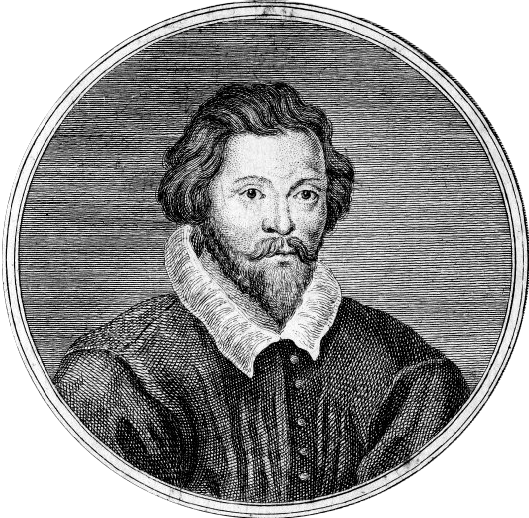
Composer profile
c. 1540–1623
William Byrd stands at the centre of English Renaissance music. After early service at Lincoln Cathedral, he joined the Chapel Royal and shared with Thomas Tallis a royal patent for printing music. Byrd remained a committed Catholic in Protestant England, and the tension between public duty and private faith shaped an extraordinary catalogue: Latin masses and motets, Anglican service music, songs, consort works and keyboard pieces. His counterpoint is learned but never merely academic; independent lines combine into music of striking warmth, urgency and rhetorical force. Haec dies, written for Easter, is among his most exuberant motets. Its overlapping cries of rejoicing reward clear entries, buoyant rhythm and close listening between parts—qualities that make Byrd’s music as valuable for developing ensemble singing as it is thrilling to perform.
Works in the library
An exuberant Easter motet in which voices answer one another before joining in a brilliant proclamation of joy.
Further listening
Choir of Somerville College, Oxford
Listen for the phrases passing quietly between voices, in contrast with the Easter brilliance of the uploaded Haec dies.
Service archive · 18 October 2026
Cambridge Singers · sung performance
The five-voice score is available from IMSLP (public-domain edition). Its viewer does not permit reliable in-page PDF embedding, so this is a source link rather than a broken frame.
From the illustrated church timeline
The Tallis Scholars