Mercy received; mercy given
How many times should you forgive someone? This Sunday’s Gospel asks a question you might recognise from the playground—and Jesus’s answer gives us plenty to think about. Mercy, trust and longing run through the music you’ll sing: Morley asks that the sinner should live, Handel voices trust, and Howells follows a deer searching for water. Tomorrow is Holy Cross Day, another reminder of love that gives rather than takes. As you rehearse, listen for the difference between asking, trusting and rejoicing. How can your voice make those words mean something?
|
This Week in the Church’s Year Mercy received; mercy givenToday is the Fifteenth Sunday after Trinity. In Romans 14.1–12, Paul urges Christians not to despise or judge one another over disputed practices: each belongs to the Lord and will answer to God. In Matthew 18.21–35, a servant released from an immense debt refuses mercy to a fellow servant over a much smaller one. Together, the readings ask how receiving mercy should change the way we treat others. The Abbey’s Collect calls the Church to remain steadfast in faith and active in service. Tomorrow, Monday 14 September, is Holy Cross Day, when Christians remember Christ’s self-giving love. 
Look and think: Hemessen makes the king’s rebuke the centre of a busy account-keeping scene: coins are counted, a ledger is open, and an hourglass measures time. The museum notes that the painting may have been made for a municipal tax collector’s office. It makes the parable’s challenge vivid: what changes when we stop treating mercy as a debt to be tallied? Sources: Church of England calendar · 13 September Abbey pewsheet · UMMA artwork record |

 Portrait: Wise Music Classical |
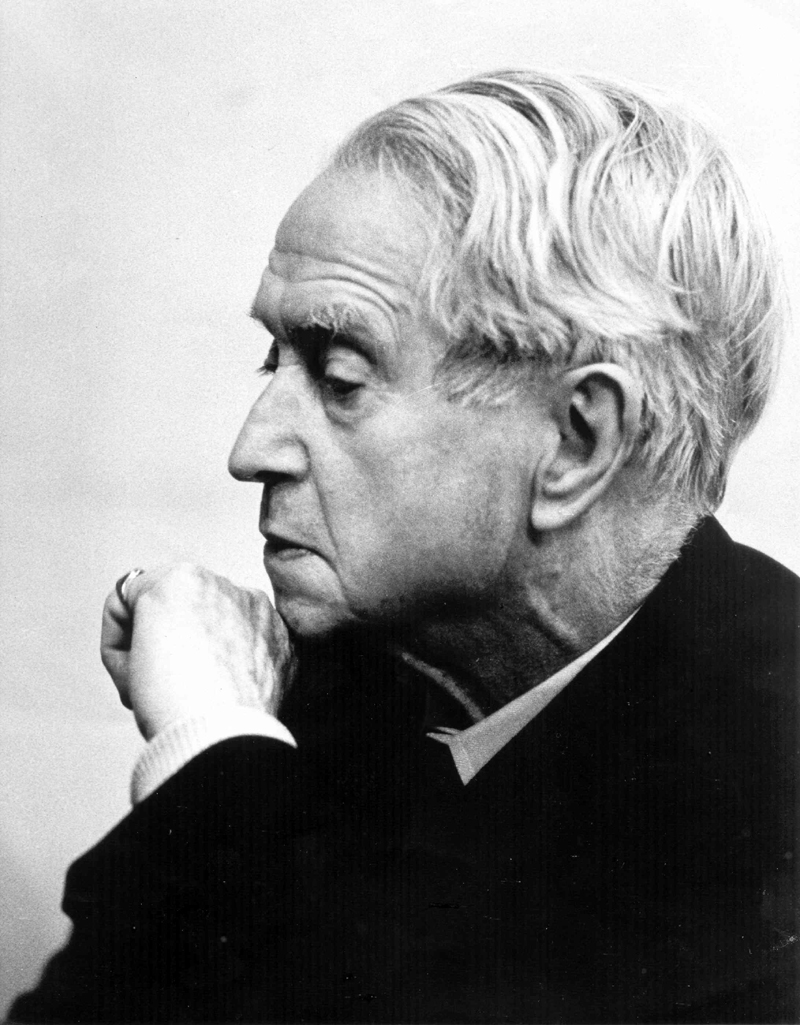
Composer of the Week Herbert HowellsHerbert Howells (1892–1983) grew up in financially uncertain circumstances in Lydney, Gloucestershire, but his talent carried him from lessons with Gloucester Cathedral’s organist, Herbert Brewer, to a scholarship at the Royal College of Music. He later taught there for nearly sixty years. Personal sorrow marked his life: the death of his young son Michael lay behind Hymnus Paradisi, the intensely private work now considered one of his masterpieces. Howells became one of the defining voices of twentieth-century Anglican music, writing more than twenty settings of the Magnificat and Nunc dimittis, as well as organ music that remains central to the repertoire. This week’s Like as the hart shows his special gift: longing emerges not through noise but through harmony that seems perpetually to reach for somewhere just beyond its grasp. The Psalm Prelude makes the organ undertake a similar journey—from darkness, through splendour, and back into mystery. |
|
Musical Margins Clues from this week’s scoresA few things to notice with your eyes—and then hear with your ears. | |||
|
|
||
|
|
||
|
|
||
| Score references: published editions and score materials linked in the listening guide. Where a work changes key or metre, the card describes only the identified passage or home key. | |||
9.30am Sung Eucharist
Herbert Sumsion — Communion Service in F
Sumsion spent much of his life at Gloucester Cathedral. Listen for clear, singable lines and an organ part that supports the words without overwhelming them.
▶ Show recording
Tantum ergo — credited to Ola Gjeilo in the Abbey programme
A Latin hymn of reverence before the sacrament, asking faith to reach beyond what the senses can grasp. Begin with the meaning of the words, then listen for how the phrases shape that reverence.
The dated pewsheet and monthly list both give this title and attribution. A matching Gjeilo score or recording has not been verified, so please check the choir copy before choosing a listening example.
Edward Bairstow — I sat down under his shadow
A tender miniature using words from the Song of Songs. Notice how much expression is fitted into a short span.
▶ Show recording
George Frideric Handel — Lord, I trust thee
Handel was German-born but made his career in London. Listen for direct word-setting and musical ideas passing between the voices.
▶ Show recording
J. S. Bach — Prelude in C major, BWV 545
A bright organ prelude built from firm rhythmic ideas. Listen for the pedal line and its sense of musical architecture.
Listen
Hymns — 427, 486, 339, 408 (i)
Follow the Abbey hymnbook and rehearsal markings.
6.00pm Choral Evensong
Thomas Morley — Nolo mortem peccatoris
The Latin asks that the sinner should turn and live. Listen for the shifts between pleading and assurance.
▶ Show recording
Richard Shephard — Preces and Responses
Short exchanges between priest and choir that begin and punctuate Evensong. Listen for crisp diction and musical conversation.
▶ Show listen with score recording
Psalms 69:1–6 and 70 — chants by Stainer and Hawes
These prayers ask for help with urgency: the psalmist feels overwhelmed and calls on God to come quickly. Let the words govern the pace, and follow the pointing so each half-verse arrives together.
Psalms and chant composers follow the Abbey’s September music list.
George Dyson — Magnificat and Nunc dimittis in F
Compare the outward energy of Mary’s joyful song with the calm of Simeon’s farewell.
▶ Show magnificat recording
▶ Show nunc dimittis recording
Herbert Howells — Like as the hart
Howells sets Psalm 42 with an intense sense of longing. Listen for the opening stillness and the growth towards “the living God”.
▶ Show recording
Herbert Howells — Psalm Prelude, Op. 32 No. 2
An organ meditation connected with “Yea, the darkness is no darkness with thee”. Follow its journey from mystery to climax and back.
▶ Show recording
Hymns — 414, 420
Follow the Abbey hymnbook and the Director of Music’s guidance.
Programme sources: 13 September pewsheet · September music list. These dated sources give Tantum ergo where the earlier edition gave Ubi caritas. Recordings are listening aids by other performers, rather than recordings of the Abbey’s services; score editions may differ from your choir copies.
Chorister’s Challenge
A 15 × 15 crossword. Answers come from this week’s music.
| 1 | ||||||||||||||
| 2 | ||||||||||||||
| 3 | ||||||||||||||
| 4 | 5 | 6 | ||||||||||||
| 7 | ||||||||||||||
| 8 | 9 | |||||||||||||
| 10 | ||||||||||||||
| 11 | ||||||||||||||
| 12 | ||||||||||||||
| 13 | 14 | |||||||||||||
| 15 | ||||||||||||||
Across2. A biblical song or prayer; two are chanted at Evensong. (5) 4. Composer heard twice at this week’s Evensong. (7) 8. Latin name for the prayers that begin the Responses. (6) 9. Elizabethan composer of Nolo mortem peccatoris. (6) 10. Mary’s song of praise. (10) 11. Composer of I sat down under his shadow. (8) 13. First word of the Latin motet advertised in the pewsheet. (6) 14. The choral service held at 6.00pm. (8) 15. An old word for a deer. (4) | Down1. German-born London composer of Lord, I trust thee. (6) 3. Composer of this week’s Preces and Responses. (8) 5. The 9.30am service in this week’s programme. (9) 6. Cathedral city associated with Sumsion and Howells. (10) 7. Composer of the Canticles in F. (5) 12. Composer whose catalogue includes BWV 545. (4) |
Answer sheet
| 1H | ||||||||||||||
| 2P | S | A | L | M | ||||||||||
| 3S | N | |||||||||||||
| 4H | O | W | 5E | L | L | S | 6G | D | ||||||
| E | U | L | E | 7D | ||||||||||
| 8P | R | E | C | E | S | 9M | O | R | L | E | Y | |||
| H | H | U | S | |||||||||||
| A | 10M | A | G | N | I | F | I | C | A | T | O | |||
| R | R | E | N | |||||||||||
| D | I | 11B | A | I | R | S | T | O | W | |||||
| 12B | S | T | ||||||||||||
| 13T | A | N | T | U | M | 14E | V | E | N | S | O | N | G | |
| C | R | |||||||||||||
| 15H | A | R | T | |||||||||||
Happy singing!